Are GLP-1 Medications Covered by Insurance?
-

- Content Writer and Strategist with nearly 10 years of experience in content strategy, brand storytelling, and digital marketing across insurance, real estate, finance, and consumer-focused industries.
- Bachelor’s degree in Marketing from Southeastern University.
-

- +9 years writing about insurance, pets, and entertainment.
- Expert in technical and academic writing with an international scope.
Erandi García is Coverage Fox Bilingual Senior Copywriter. With nearly 10 years of experience in content creation, her career has allowed her to explore the world through internationa…
-

Rose Carter is an accomplished content strategist and marketing leader with a proven track record of creating impactful, results‑driven content. With expertise in writing, editing,…

If you take or are considering a GLP-1 medication like Ozempic, Wegovy, Mounjaro, or Zepbound, one of the first questions you’ll face is whether your health insurance will actually help pay for it. Coverage depends on your diagnosis, your insurance plan, and your state’s policies. This guide explains how insurance coverage for GLP-1 medications works and offers tips to improve your chances of approval.
Key Takeaways
-
Coverage for GLP-1 medications varies depending on whether they’re prescribed for type 2 diabetes, weight loss, or major cardiovascular events. Each insurer sets its own formulary rules, so coverage can differ even between plans from the same company.
-
Private and government plans are more likely to cover GLP-1 drugs for diabetes and cardiovascular risk reduction than for obesity or weight loss alone.
-
Medicaid coverage for GLP-1s used to treat obesity varies widely by state. As of January 2026, only 13 states cover these drugs for obesity in fee-for-service programs, while four states have dropped coverage due to budget constraints.
-
High costs of GLP-1 medications contribute to insurers tightening prior authorization rules and increasing cost-sharing, especially for weight loss.
-
Many privately insured adults seeking to lose weight face challenges obtaining coverage, as many employer-sponsored plans exclude weight loss drugs or require extensive documentation.
-
Serious side effects like severe stomach problems and allergic reactions are important to discuss with your healthcare professional before starting treatment.
-
A BMI of 30 or higher (or 27+ with other conditions like hypertension or sleep apnea).
-
Documentation of failed lifestyle interventions, including a reduced calorie diet and exercise.
-
Ongoing proof of weight loss and adherence to qualify for continued coverage.
-
Prior authorization with BMI and comorbidity documentation.
-
Records of prior treatments and lifestyle efforts.
-
Renewal based on demonstrated weight loss and adherence.
- Review the formulary: Search your plan’s drug list online for brand names like Ozempic, Wegovy, Mounjaro, or Zepbound. Check which tier each drug is on and whether the weight loss or diabetes indication is specified.
- Call member services: Contact the insurance company with the exact drug name, dosage, and diagnosis code from your doctor. Ask whether the medication is covered for your specific indication-weight loss, type 2 diabetes, or cardiovascular risk reduction.
- Ask about costs: Request your estimated monthly out-of-pocket cost after deductible, and whether any weight management program participation is required for continued coverage.
- Gather documentation: Prepare your medical history (BMI, A1C levels, comorbidities), records of previous diet and exercise attempts, and physician notes showing medical necessity. This helps determine whether you meet your plan’s approval criteria.
- Read the denial letter carefully: It should state the exact reason-whether the plan excludes the weight loss drug category or whether your documentation was incomplete.
- Work with your doctor: Have your prescribing clinician resubmit records including lab results, BMI history, cardiovascular risk factors, and notes on prior treatments including any reduced calorie diet or supervised exercise program.
- File an internal appeal: If that’s denied, request an external review through your state insurance department within required deadlines.
-
Check for manufacturer savings cards or copay assistance from drug manufacturers (these usually don’t apply to Medicaid or Medicare)
-
Apply for patient assistance programs based on income
-
Explore alternative covered medications or lower-cost oral GLP-1 options
What Are GLP-1 Medications and Why Are They So Popular?
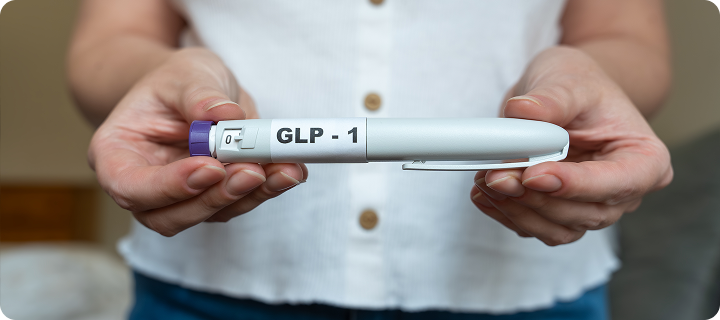
GLP-1 receptor agonists are prescription medicines originally developed for type 2 diabetes. They mimic the GLP-1 hormone, which regulates blood sugar, slows stomach emptying, and reduces appetite, aiding weight loss.
Popular brands include Novo Nordisk’s semaglutide (Ozempic for diabetes, Wegovy for weight management) and Eli Lilly’s tirzepatide (Mounjaro for diabetes, Zepbound for weight loss). Wegovy also helps reduce cardiovascular events in adults with obesity and heart disease.
These drugs carry risks, including nausea, vomiting, diarrhea, and rare, serious effects like severe stomach or kidney problems. Always consult your doctor before starting. GLP-1 ads have become common, reflecting their mainstream use but also the need to heed safety warnings.
Are GLP-1s Covered by Private Health Insurance for Weight Loss and Diabetes?
Whether a private plan covers GLP-1 medications depends almost entirely on the specific plan and the diagnosis. Most private insurance plans cover GLP-1 medications for Type 2 diabetes, typically placing them on higher formulary tiers with prior authorization and step therapy requirements. Coverage is more likely for FDA-approved uses than for weight loss alone.
For privately insured adults seeking a weight loss drug, the picture is much less favorable. Many employer-sponsored plans exclude coverage for weight loss medications entirely. When obesity coverage exists, insurers typically require:
Some plans also mandate step therapy, trying older, cheaper drugs first. Independent Health, for example, requires a BMI of 40 or above plus at least two obesity-related comorbidities for prior authorization.
Cost sharing adds another layer. Even when a plan covers the drug, copays or coinsurance on a $1,000+ monthly medication can run anywhere from $25 to several hundred dollars, depending on your tier, deductible, and out-of-pocket maximum.
High costs of GLP-1 medications can deter insurance coverage for weight loss, and costs have influenced some insurance plans to drop coverage altogether.
Coverage for off-label use varies by plan and indication and may be more difficult to obtain.
Does Medicaid Cover GLP-1s for Diabetes and Obesity Treatment?
Federal law requires Medicaid programs to cover FDA-approved drugs for medically accepted indications, so Medicaid coverage for GLP-1s prescribed for diabetes is generally required nationwide.
Coverage for weight loss or obesity is optional and varies by state. As of January 2026, only 13 state Medicaid fee-for-service programs cover GLP-1s specifically for obesity. Four states—California, New Hampshire, Pennsylvania, and South Carolina—have recently dropped coverage due to budget concerns. Some states, like North Carolina, have reinstated coverage.
When covered for obesity, Medicaid programs usually require:
CMS’s voluntary BALANCE Model allows participating state Medicaid agencies to expand access to select GLP-1 medications for weight management alongside lifestyle support. State participation and coverage vary.
For Medicare, medications used only for weight loss generally are not covered under standard Part D rules. However, the Medicare GLP-1 Bridge launched July 1, 2026, and allows eligible Medicare Part D beneficiaries to access certain GLP-1 medications for weight management for a $50 monthly copay, subject to eligibility requirements and prior authorization. The program runs through December 31, 2027.
How Have GLP-1 Coverage and Costs Changed in Recent Years?
GLP-1 use has increased significantly in recent years, creating new cost and coverage considerations for insurers, employers, and government programs. Medicaid prescription volume and spending on these medications have risen sharply, while employers and private health plans continue to evaluate how and when to cover GLP-1 medications, particularly when they are prescribed for weight management.
Because coverage can be expensive, health plans may use tools such as prior authorization, step therapy, formulary restrictions, and other utilization-management requirements. Coverage policies can also change over time as insurers, employers, and government programs evaluate costs, clinical guidelines, and patient needs.
For consumers, this makes it especially important to review a plan’s current formulary and coverage requirements rather than assume a GLP-1 medication will be covered from one year to the next.
How to Check If Your Plan Covers GLP-1 Medications
Before you fill a prescription, verify what your plan will actually pay. Here’s a step-by-step approach:
Using the ACA Marketplace and Coverage Fox to Improve Your Chances of GLP-1 Coverage
For individuals and families without employer-sponsored insurance, the ACA marketplace is the primary route to private coverage that may include GLP-1 medications. But not all marketplace plans are equal when it comes to these drugs.
How plans differ by metal tier:

| Metal Tier | Premiums | Deductibles | GLP-1 Coverage Likelihood |
|---|---|---|---|
| Bronze | Lowest | Highest | Drug may be covered but you pay full price until deductible is met |
| Silver | Moderate | Moderate | Better formulary access; subsidies may lower costs further |
| Gold | Higher | Lower | Most likely to offer meaningful GLP-1 coverage with lower copays |
Coverage Fox licensed agents review real plan formularies during Open Enrollment and Special Enrollment periods. They can flag which plans offer more favorable coverage for conditions like diabetes, obesity, or cardiovascular disease, and estimate total annual costs-premiums plus copays for GLP-1 users under different options.
Subsidies and premium tax credits can offset higher premiums, making a plan with better drug coverage surprisingly affordable. Before you start treatment with a GLP-1 for weight loss or diabetes, talk with a Coverage Fox agent so you can pick coverage that aligns with your treatment journey and access to free or low-cost services where available.
Appealing a GLP-1 Denial and Managing Out-of-Pocket Costs
If your coverage for GLP-1s has been denied, follow these steps to appeal:
To reduce out-of-pocket cost when coverage is limited:
Combining any GLP-1 regimen with lifestyle changes-diet and exercise, and behavioral counseling can maximize effectiveness and potentially strengthen future coverage appeals. Coverage Fox cannot overturn a denial but can help you evaluate switching to a different health plan during the next enrollment window if your current plan carries strict GLP-1 exclusions.

FAQs
Do health insurance plans have to cover GLP-1 drugs for weight loss?
No. As of 2026, no federal law requires private insurers, or ACA marketplace plans to cover GLP-1 medications for obesity or weight loss alone. Coverage is more common when GLP-1 medications are prescribed for type 2 diabetes or to reduce cardiovascular risk. Review each plan’s formulary and obesity drug policy before enrolling.
Are GLP-1 medications covered by Medicaid for everyone with obesity?
No. Medicaid coverage for GLP-1s used only for obesity varies by state and is not automatic. As of January 2026, only 13 states cover them under strict criteria, while others do not cover weight loss indications at all. Coverage for GLP-1s prescribed for diabetes is generally required. Check your state’s Medicaid policy or contact your state Medicaid office for current rules.
Will using a GLP-1 medication make my insurance premiums go up?
Premiums are set for large groups, not individuals. One person’s GLP-1 use won’t change their personal premium mid-year. However, at the population level, widespread GLP-1 use contributes to higher premiums over time, which is why employers and insurers closely manage utilization. When choosing a health insurance plan, look at both premium and expected GLP-1 cost sharing-a slightly higher premium plan with better coverage may save you money overall.
Can I switch to a new ACA marketplace plan just because my GLP-1 wasn’t covered?
Outside of Open Enrollment, you generally need a qualifying life event like losing other coverage or moving-to switch plans mid-year. A drug denial alone does not typically qualify for a Special Enrollment period. Keep records of your treatment experience and use them when comparing plans during the next enrollment window.
Do I still need diet and exercise if my GLP-1 is covered by insurance?
Yes. Insurers, healthcare providers, and clinical guidelines all expect GLP-1 medications to be used along with diet and exercise, not as a standalone solution. Coverage requirements vary by plan, and some policies may require participation in lifestyle or weight management programs for continued coverage. Think of GLP-1 drugs as one part of a long-term plan to support your metabolic health, not a quick fix.